-
It’s frosty outside!
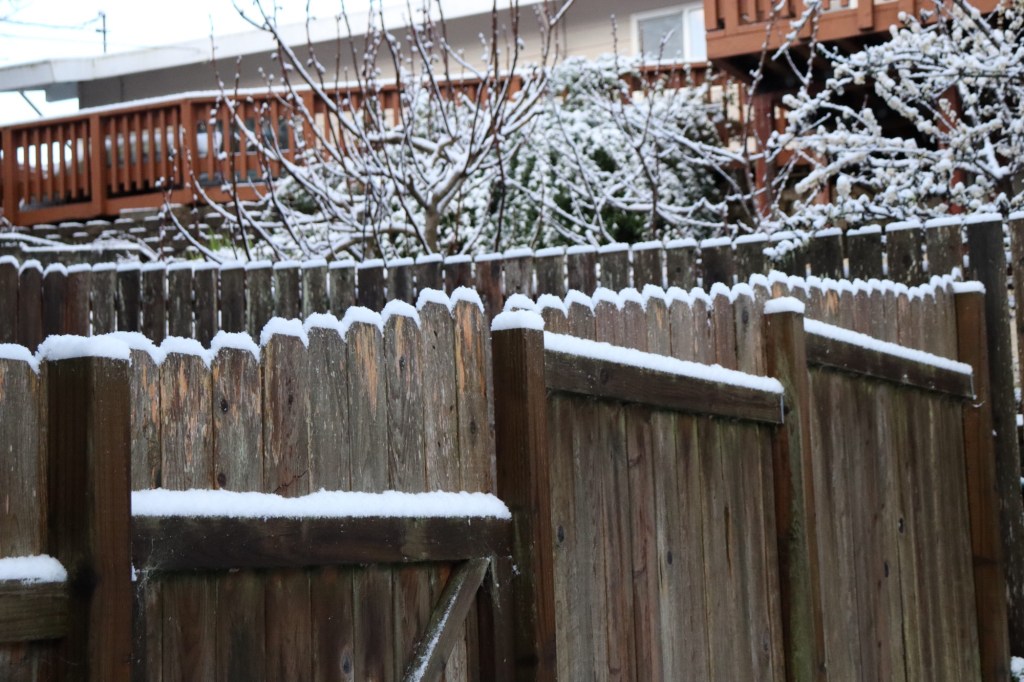
Snow sits upon a fence and coats trees in Eureka. Hey Humboldt, tonight we have a frost advisory in effect. Frost can damage tender plants and new growth. If you’re tending winter beds or overwintering perennials, now’s the time to tuck them in.
Ways to protect your plants from frost
- Cover tender plants with cloth, burlap, or overturned pots
- Mulch around the base of perennials to hold warmth
- Bring potted herbs and citrus indoors
Avoid watering late — moisture can increase frost damage - Check seedlings and starts in greenhouses or cold frames
We’re in a waning moon phase, a natural time for rest, root work and protection. Frost nights during the waning moon are perfect for focusing on soil health and safeguarding what’s already planted.
-
Spring planting has arrived!

Photo by Maranda Vargas The beginning of a new year brings hopes and daydreams for a bountiful garden. The ground has been mighty soggy here in Humboldt and our last frost is no where near, yet it is time to start planning your garden and acquiring seeds. Seeds need light, warmth and moisture in order to grow and if you have a spare shelf in your house, cloches or a greenhouse you can get a jump start on your spring garden. Below is a list of seeds you can begin planting inside this month, to ensure you have plenty of plants to transplant in the garden once our local frost date has passed. Don’t worry if you do not have the space to begin your seeds indoors, there is still time. You can direct seed once the danger of frost has passed or purchase starts from your local nursery. Several seeds say they can be planted indoors or a few even outside right now.
The below list takes into account the moon phases along with the amount of days until the last frost date in my region. According to the 2023 USDA Hardiness Zone Map, I’m located in Zone 9b (25°F to 20°F). It is helpful to take into account your USDA Hardiness Zone as well as your local climate and sun exposure when choosing plants for your garden.
Happy planting!
January
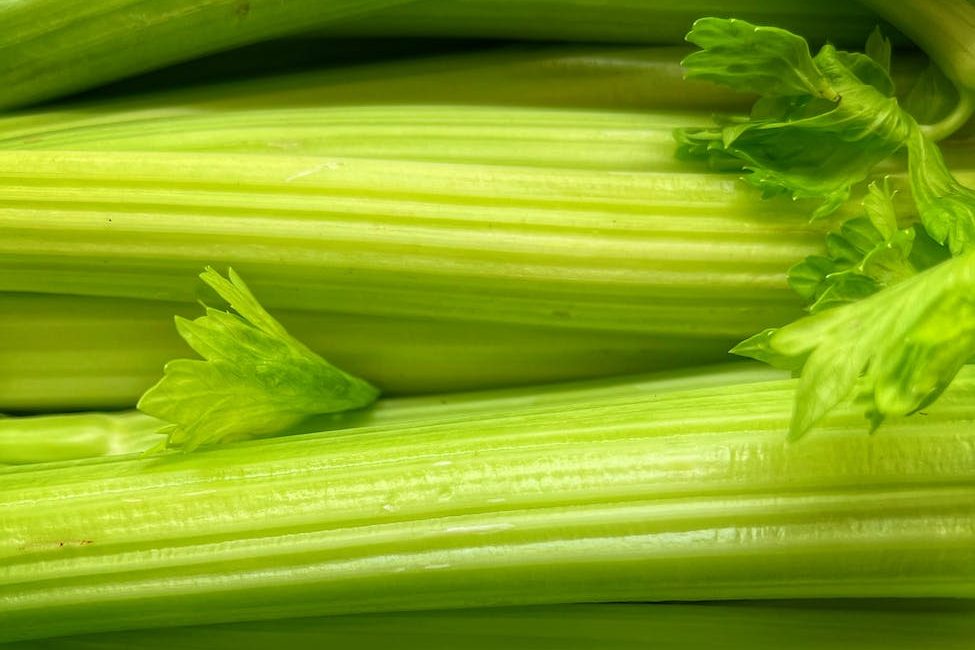
Photo by Nu00e9stor Santos on Pexels.com Celery
Biennial – Full Sun
Begin seeds indoors 10 weeks before the last frost.
Transplant when outdoor temperatures stay above 55 degrees. The seeds are slow growers, with a little patience you should get at least one successful start.
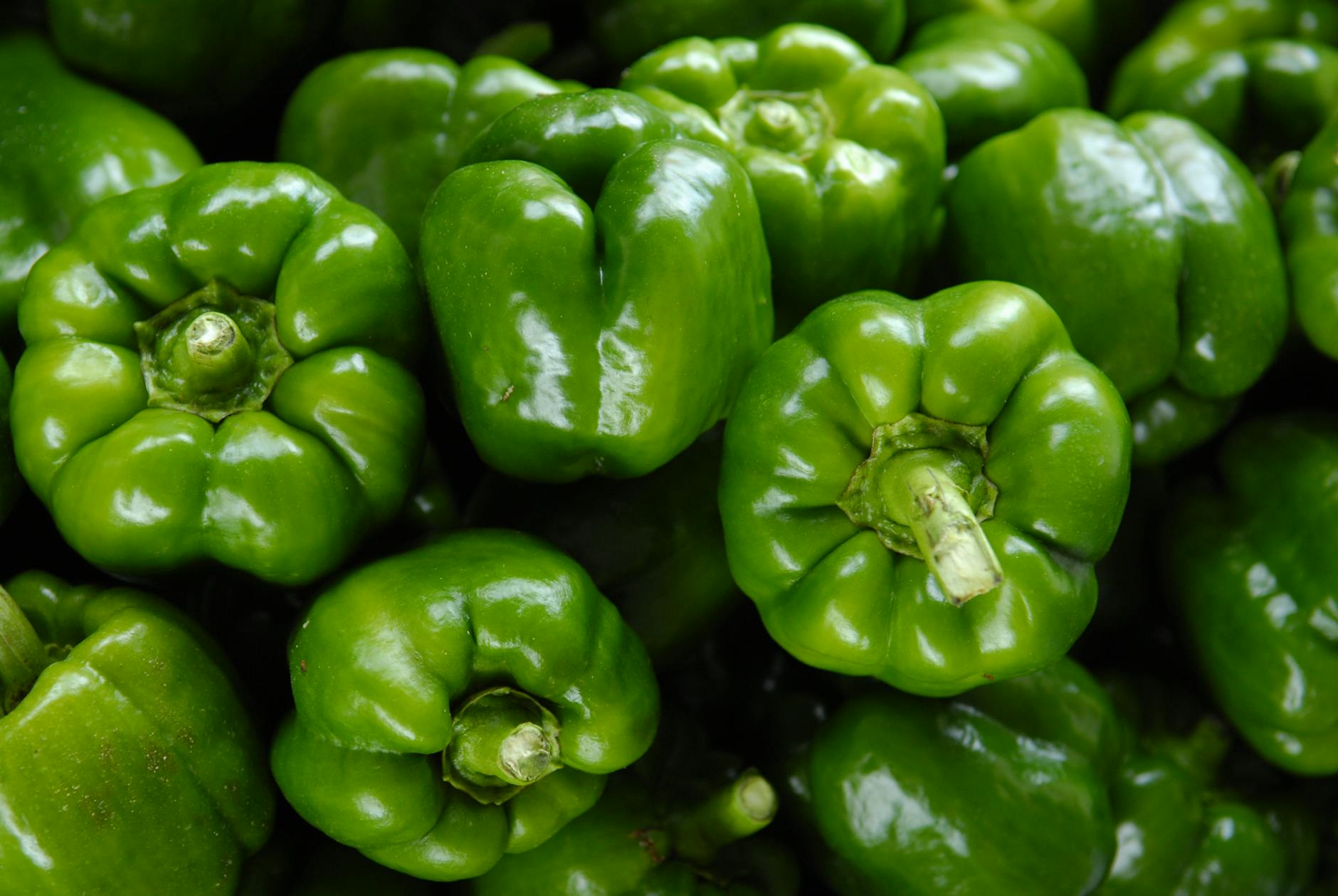
Photo by Mark Stebnicki on Pexels.com Bell Peppers
Annual – Full Sun
Start seeds indoors 8 weeks before the last frost. Peppers require heat to grow and do not do well as direct seed in our region. Choose a sunny site to transplant your peppers into.
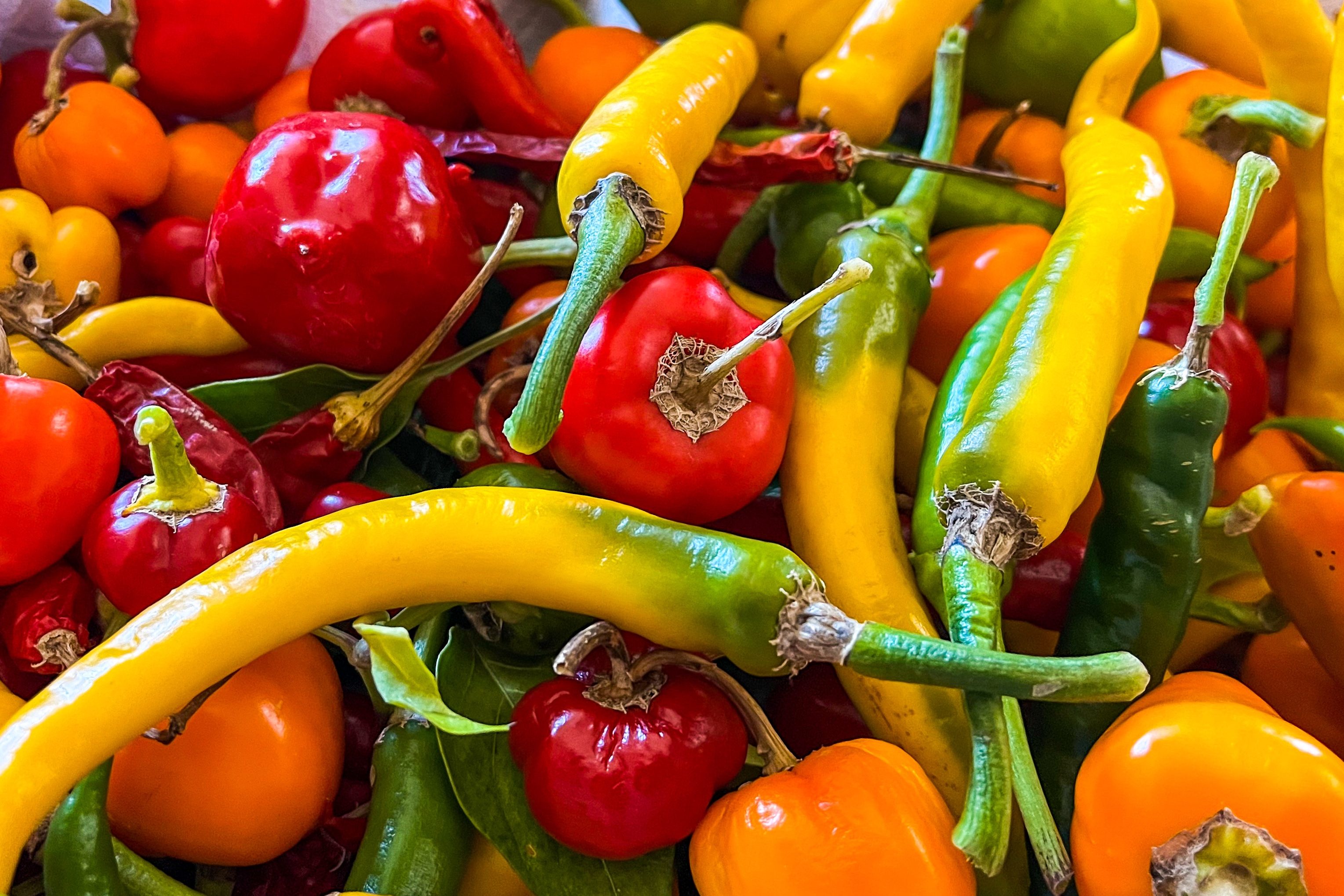
Photo by Maranda Vargas Jalapenos and Chili peppers
Annual – Full Sun
Start seeds indoors 8 weeks before the last frost date. Direct seeding is not recommended.
Peppers prefer soil that is warmed 75-85 degrees. They will benefit from placing them in a sunny warm location in the garden or up against the house in a container.
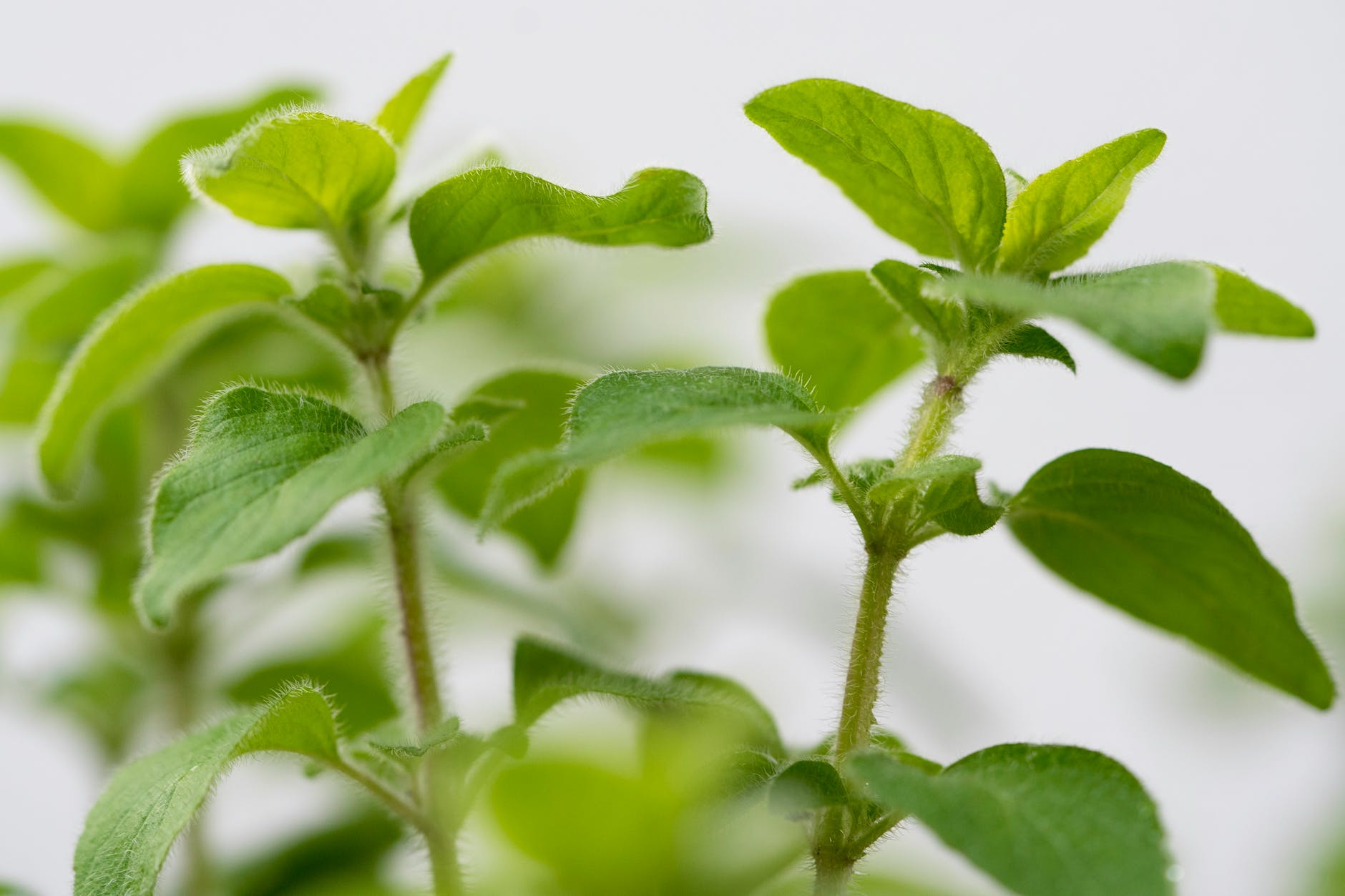
Photo by Mariya on Pexels.com Oregano
Perennial – Sun /Part Sun
Start indoors 6 weeks before last frost or sow once soil temperatures reach 55 degrees.
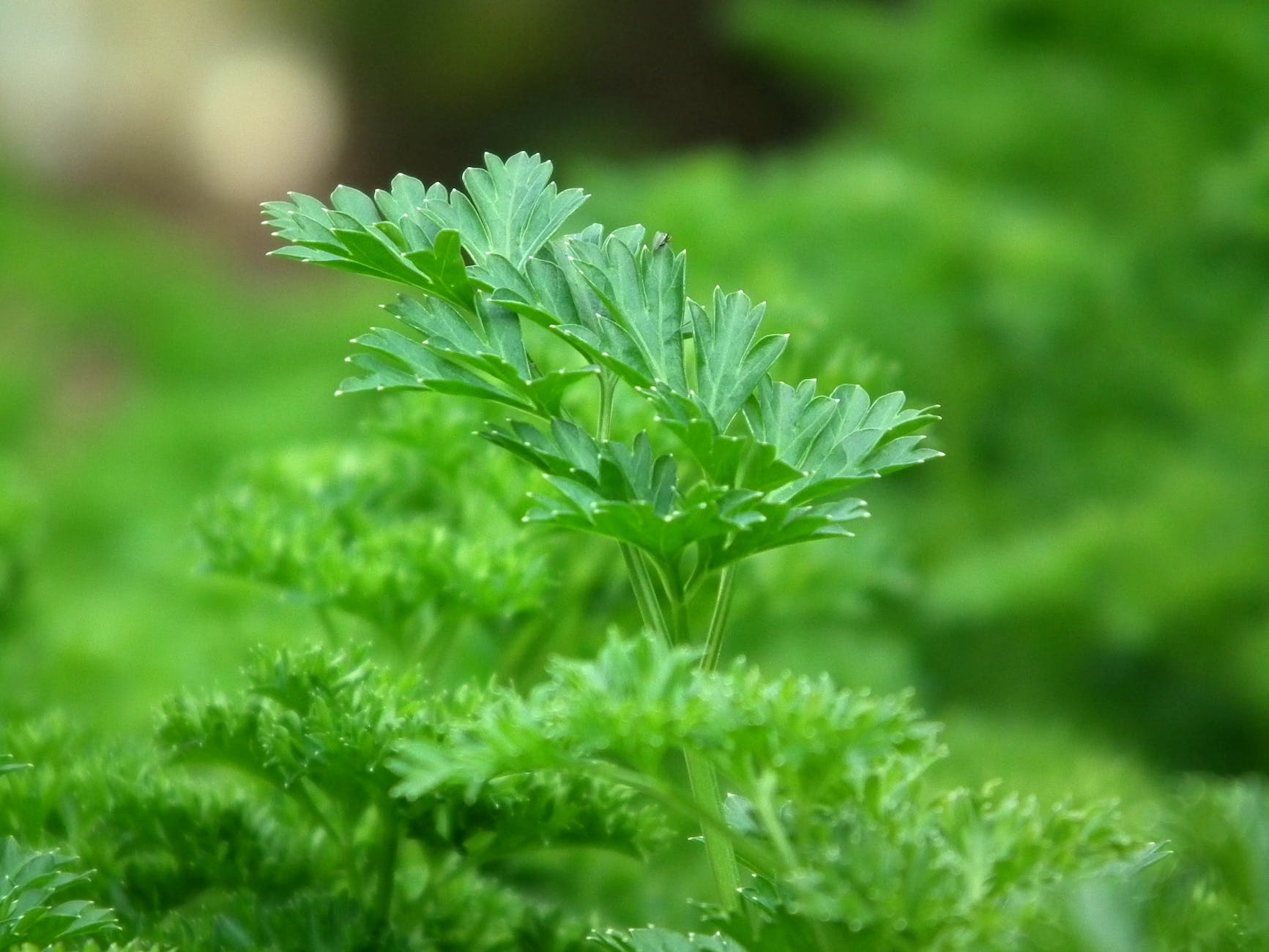
Photo by Pixabay on Pexels.com Parsley
Perennial – Sun /Part Sun
Start indoors 6 weeks before last frost or sow once soil temperatures reach 55 degrees.
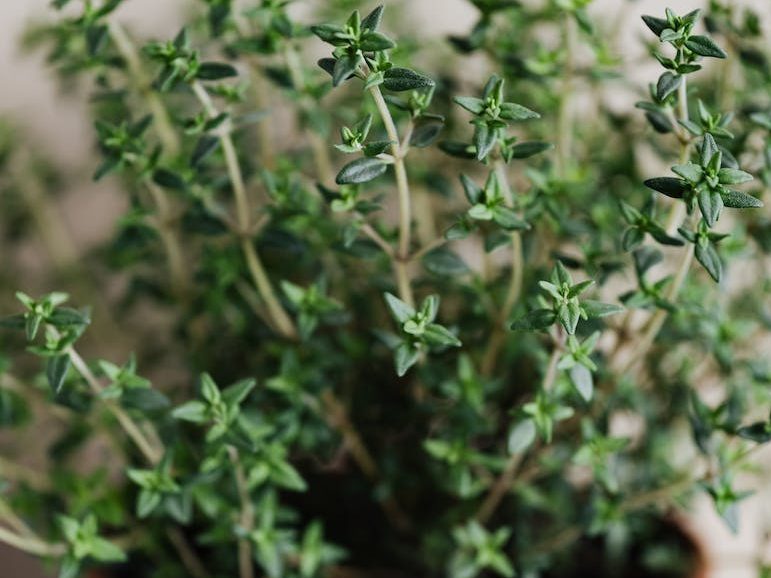
Photo by Thyme
Perennial – Sun /Part Sun
Start indoors 6 weeks before last frost or sow once soil temperatures reach 55 degrees.
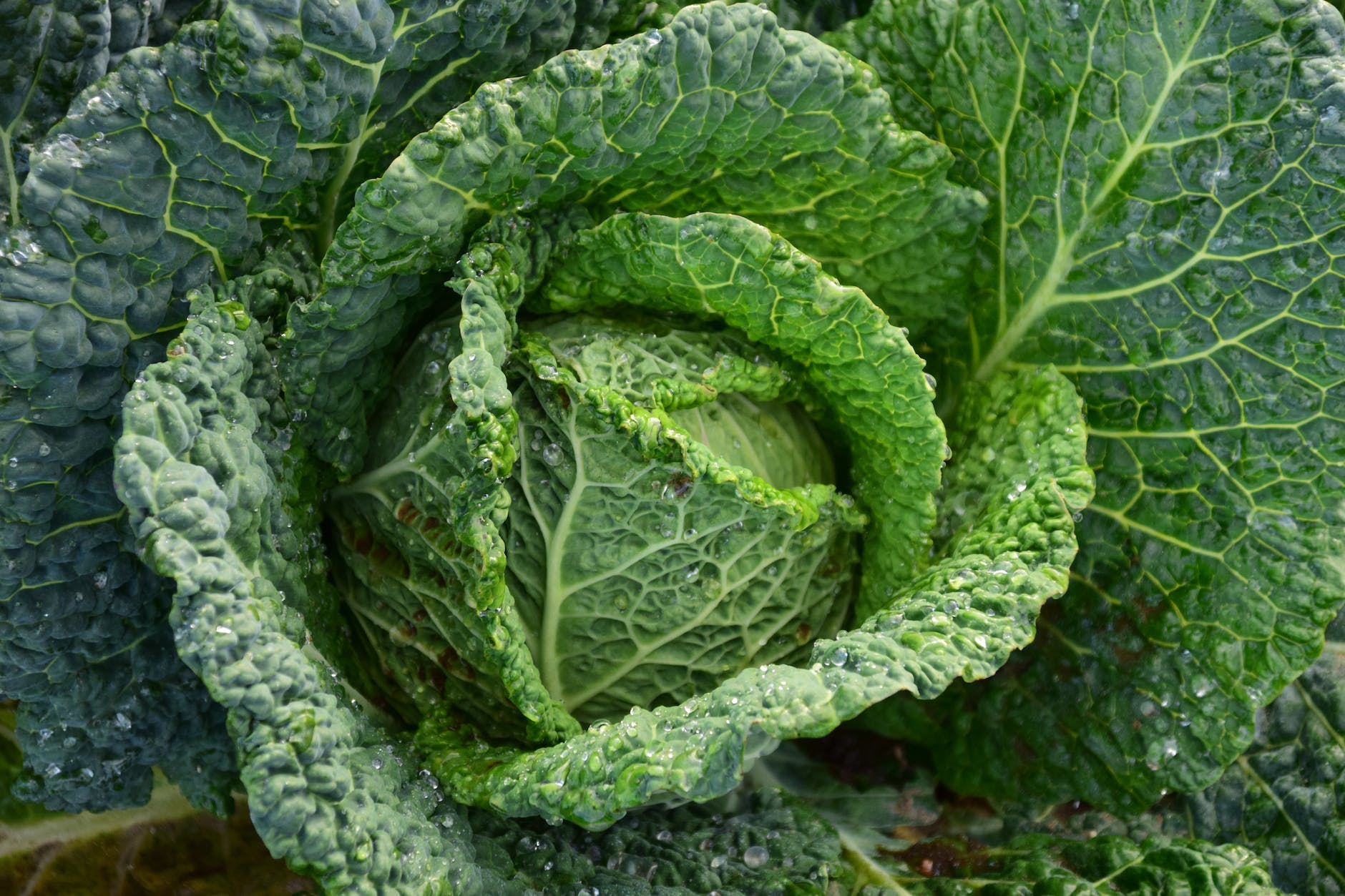
Photo by Pixabay on Pexels.com Cabbage
Annual – Sun
Begin seeds 4-6 weeks before the last frost date.
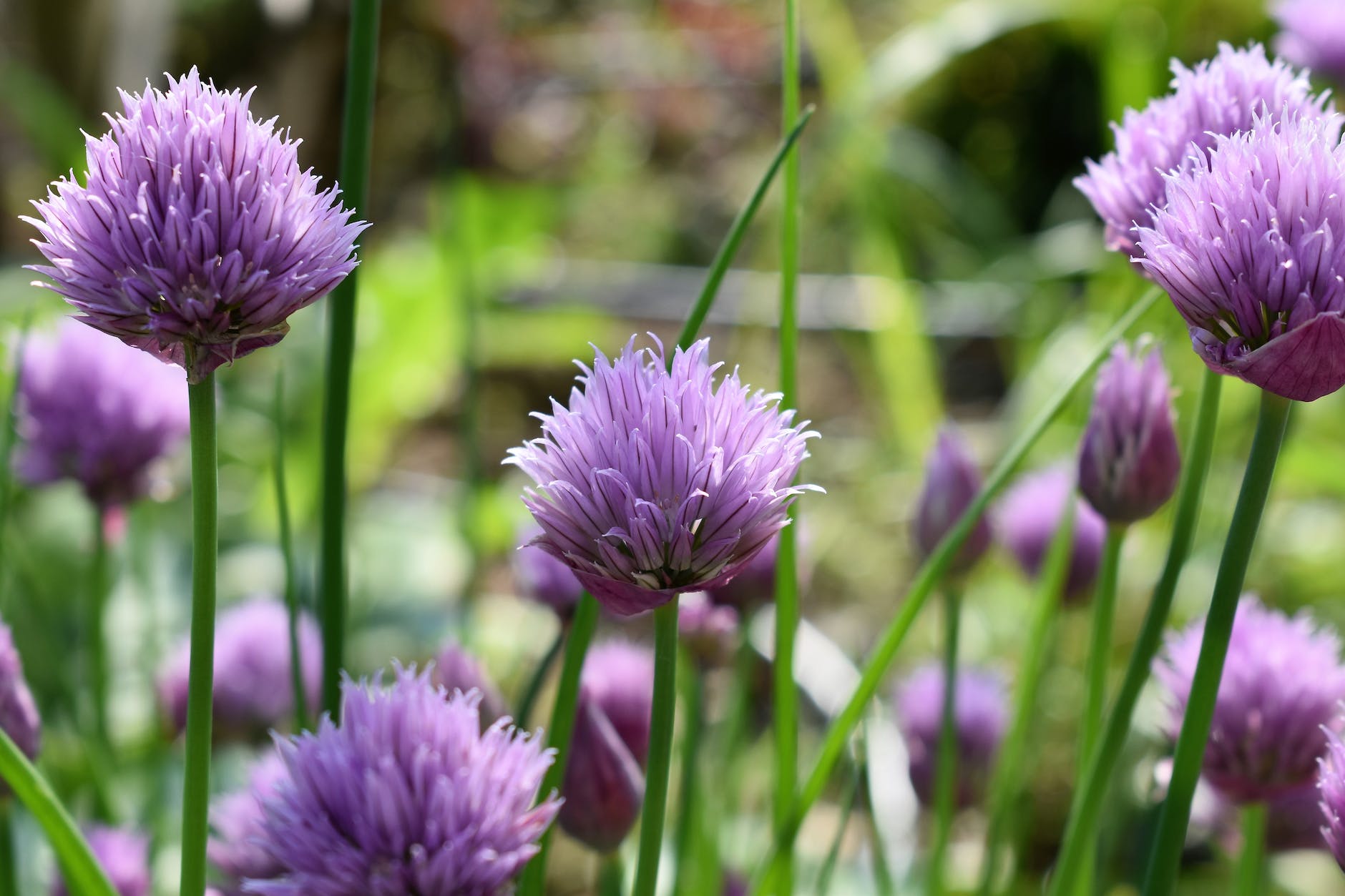
Photo by Pixabay on Pexels.com Chives
Perennial – Full Sun
Start indoors 4-6 weeks before the last frost or sow directly once the soil temperatures reach 55 degrees.
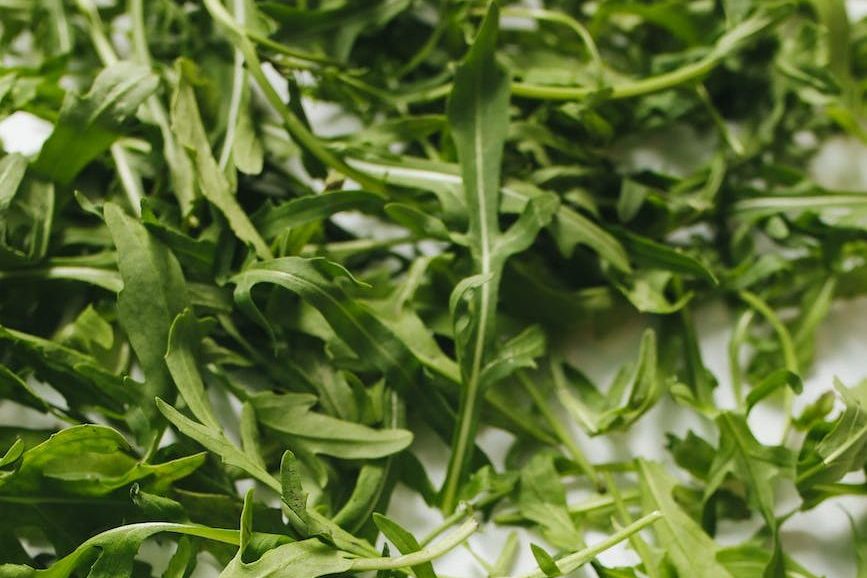
Photo by Polina Tankilevitch on Pexels.com Arugula
Arugula is a fast grower that can grow in cooler weather. You can direct seed once the soil temperature is 40 degrees. You can also plant as a microgreen indoors and begin adding it to your dishes sooner.
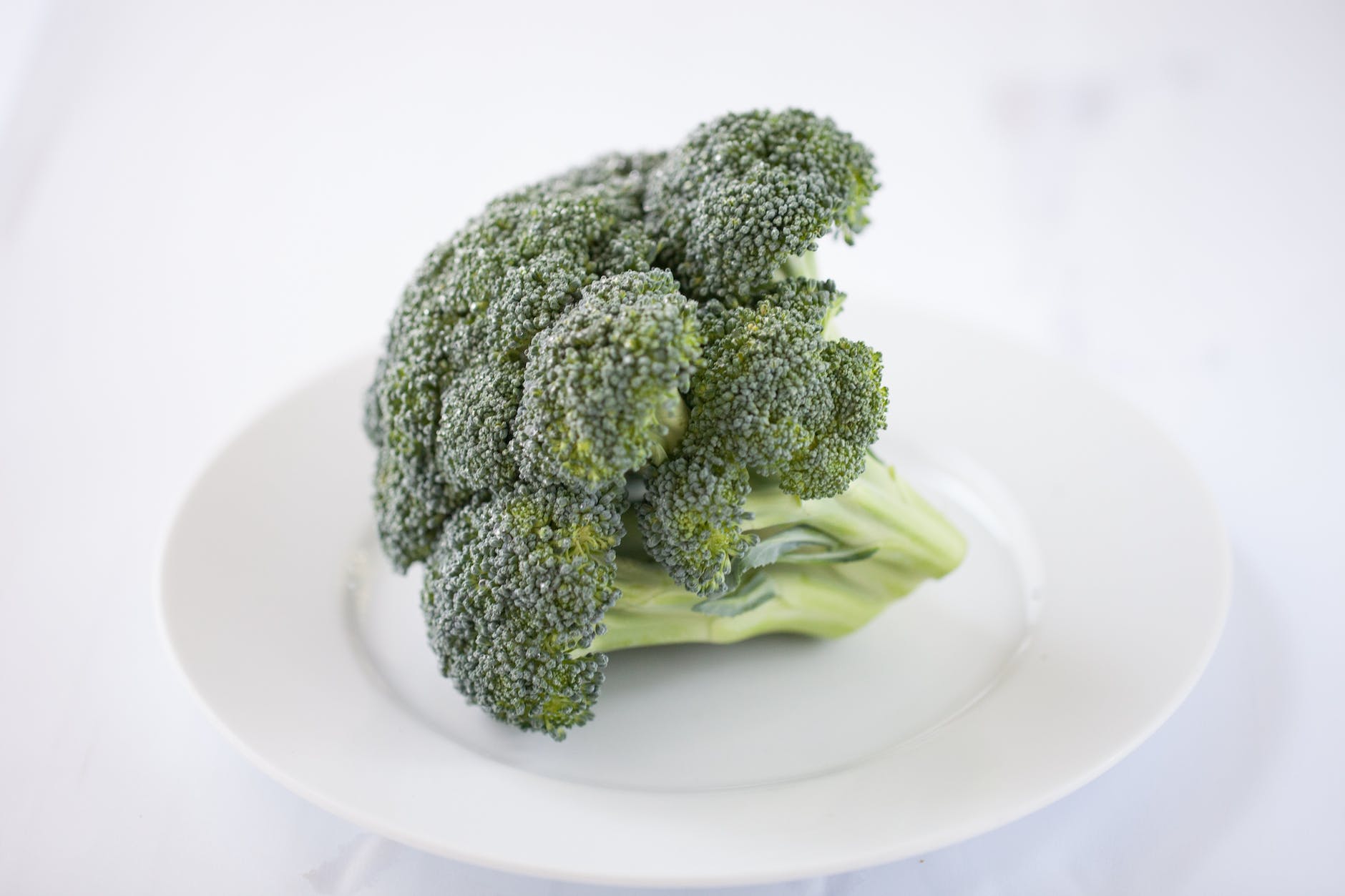
Photo by Pixabay on Pexels.com Broccoli
Annual – Full Sun / afternoon shade
Start seeds indoors 4-5 weeks before last frost or direct seed once soil temperatures reach 50 degrees.

Photo by Zen Chung on Pexels.com Eggplant
Annual – Full Sun
Start indoors 4-6 weeks before the last frost or sow directly once soil warms up. Eggplants require a sunny warm location in your garden to ripen. Eat when ripe, the longer you wait the more bitter they become.
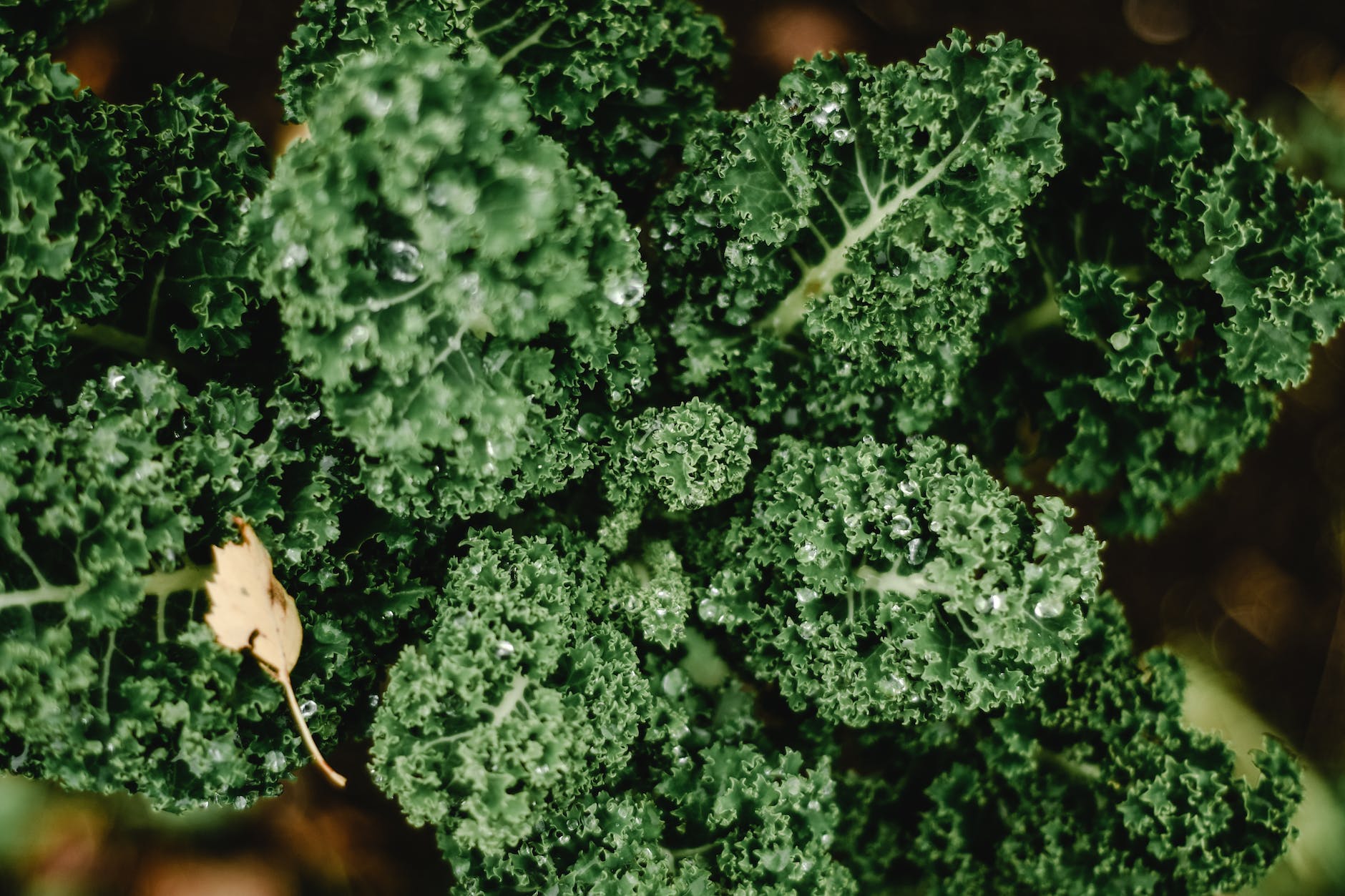
Photo by Eva Bronzini on Pexels.com Kale
Biennial – Sun/Shade
Begin seeds indoors 6 weeks before last frost or sow directly once soil temperatures are above 45 degrees.
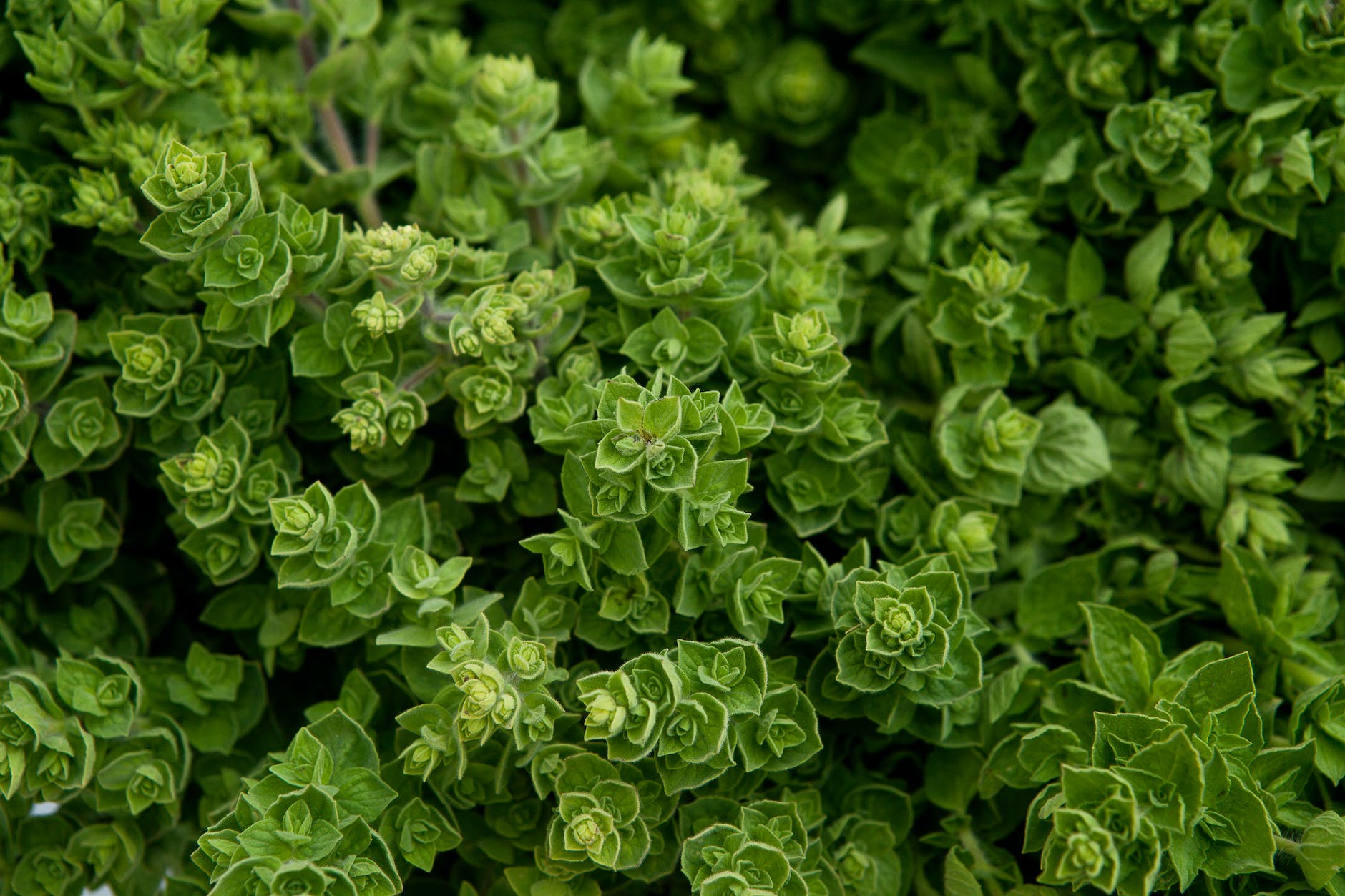
Photo by u00d6nder u00d6rtel on Pexels.com Oregano
Perennial – Part Sun
Start indoors 6 weeks before last frost or sow once soil temperatures reach 60 degrees.
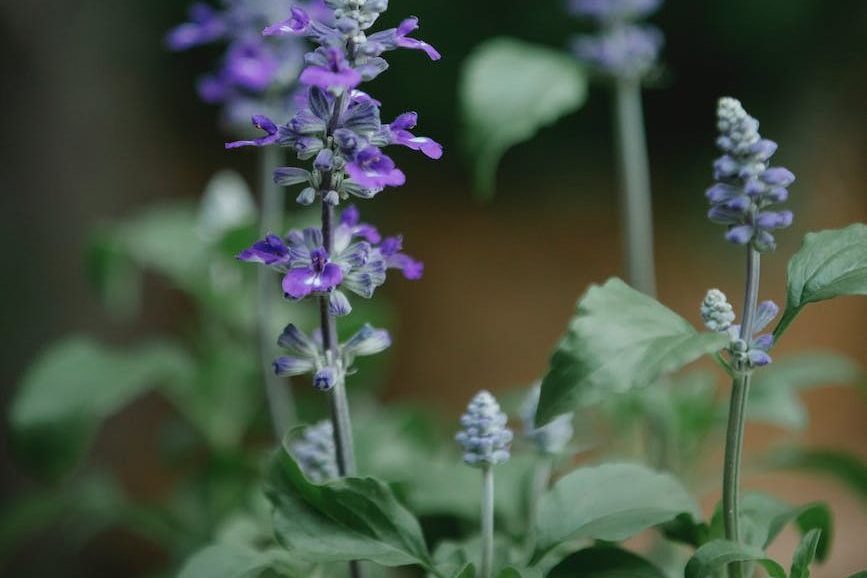
Photo by Gary Barnes on Pexels.com Sage
Perennial – Partial Sun
Start seeds indoors 6-8 weeks before the last frost.
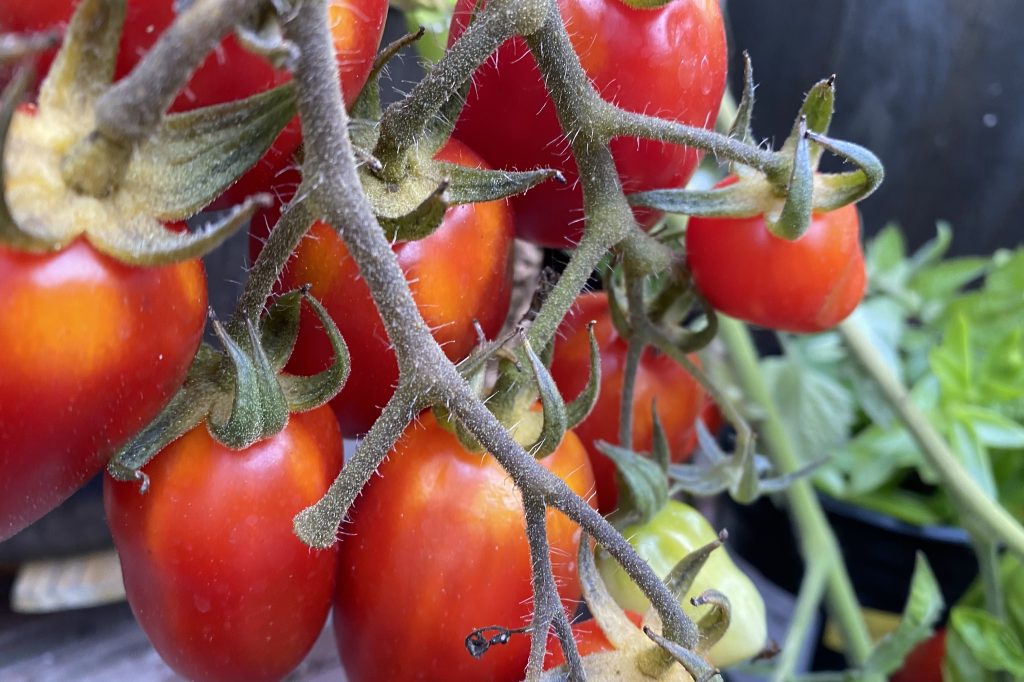
Photo by Maranda Vargas Tomatoes
Annual – Full Sun
Begin tomatoes indoors 6-8 weeks before the last frost date. Harden off the plants when transplanting outdoors by placing them outdoors for a few hours to start, increasing the amount of time each day until they are accustomed to a full day of sunlight. Choose a sunny location for your tomato plants as they require 70-85 degree soil temperatures. The plants require rich organic soil, careful watering practices and staking for success. Tomatoes as with all berry plants, prefer to be bottom watered to avoid getting fruits and leaves wet.
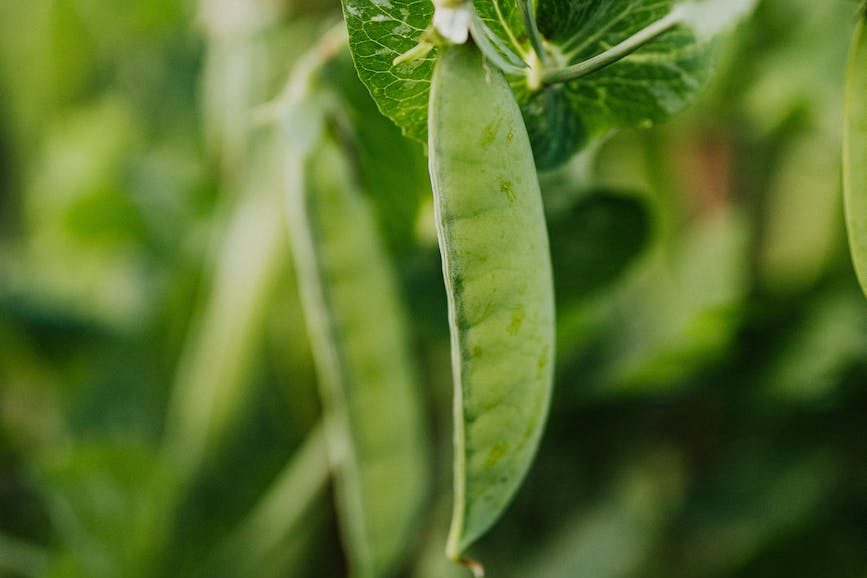
Photo by Karolina Grabowska on Pexels.com Peas
Annual – Sun/ Shade
Peas can be direct sown 6 weeks before the last frost date. They do not transplant well so if you want to start them indoors try planting them in a rain gutter so you can slide them out with little disturbance when planting.
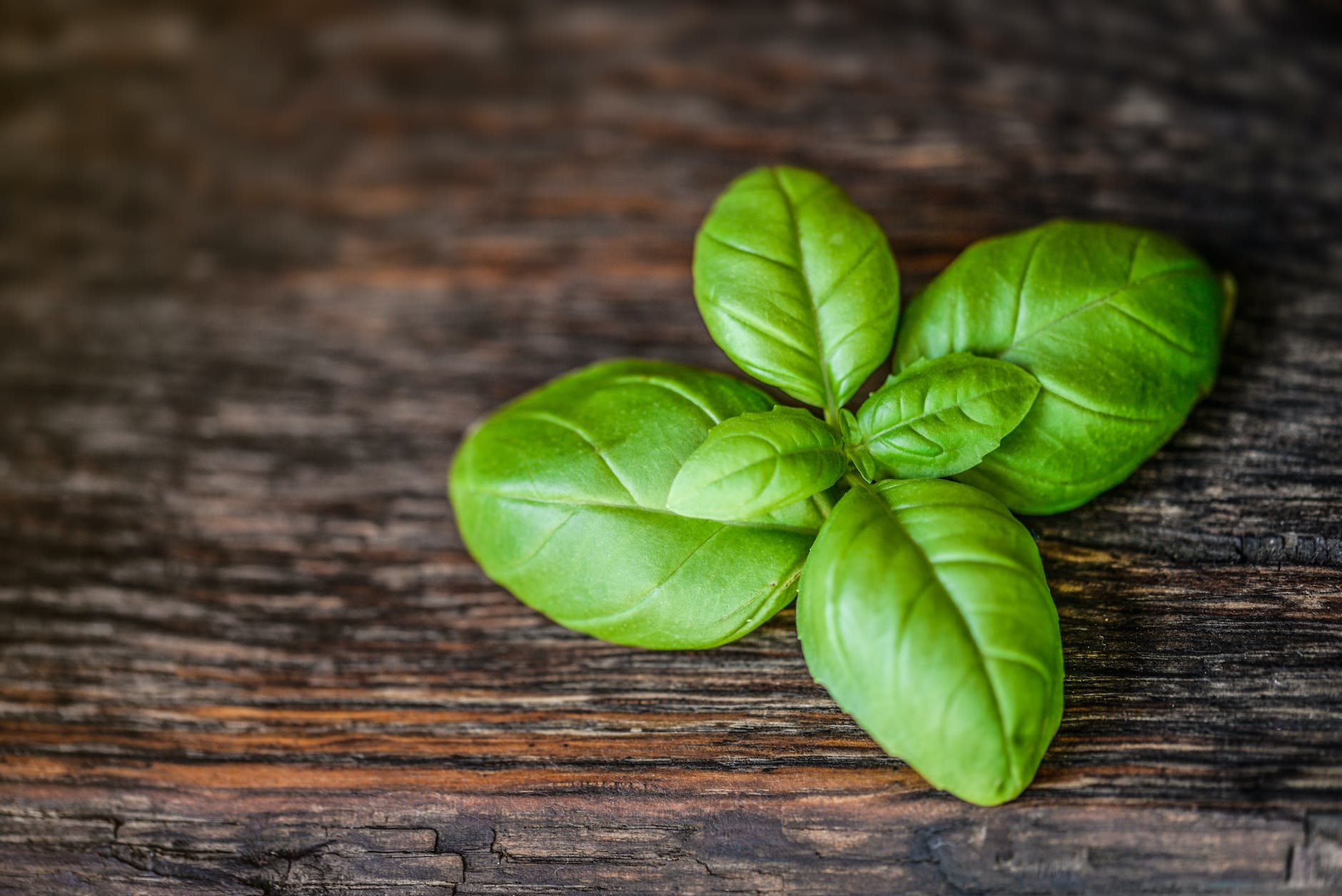
Photo by monicore on Pexels.com Basil
Annual -Full Sun / Part Shade
Begin indoors 4-6 weeks before transplanting
Transplant or direct seed a week after the last spring frost.
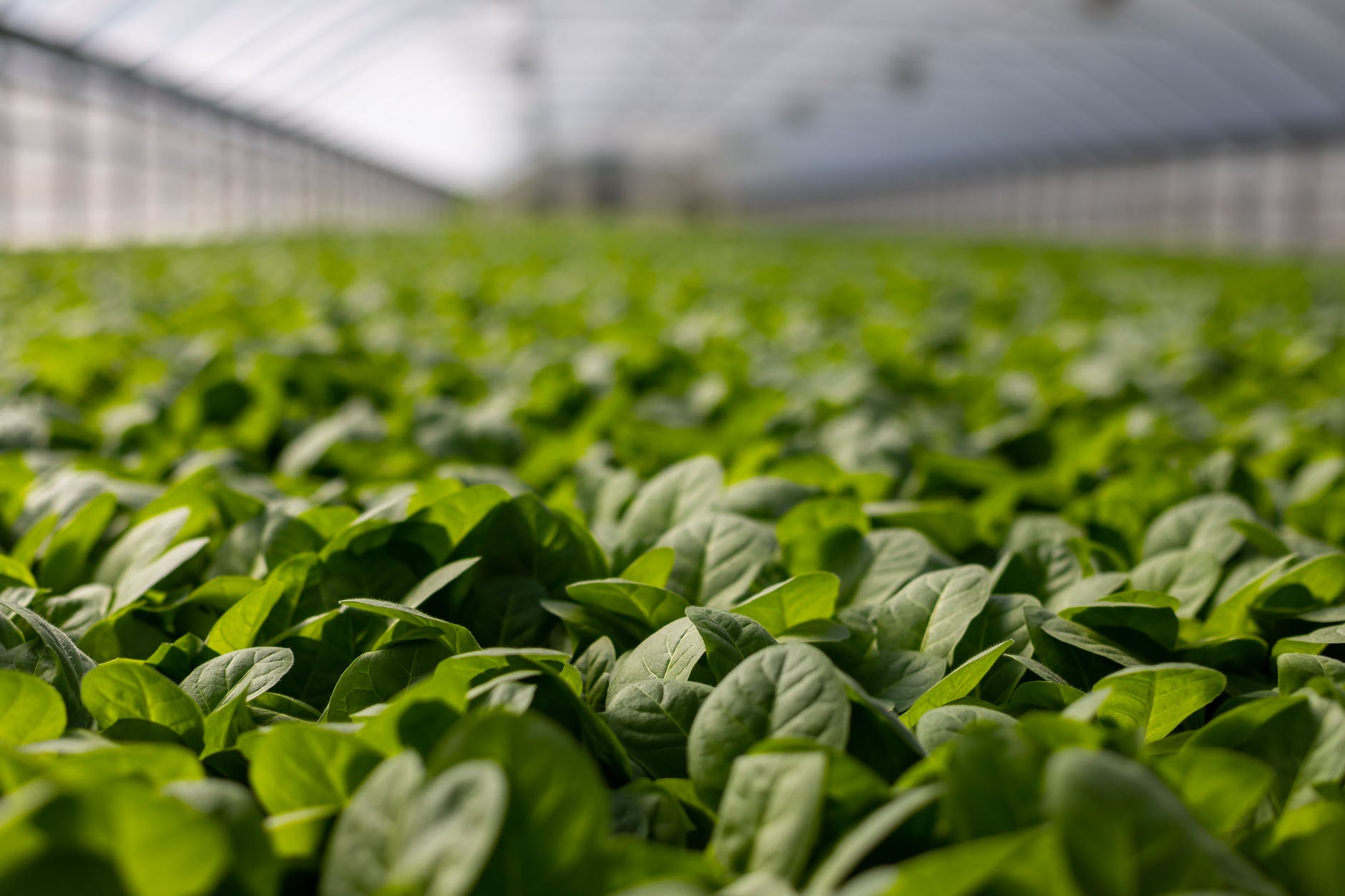
Photo by Mark Stebnicki on Pexels.com Napa Bilko Cabbage
Annual -Full Sun
Begin indoors 4-6 weeks before last frost date.
Cabbage can be transplanted or direct sown 2-4 weeks before the last frost date.
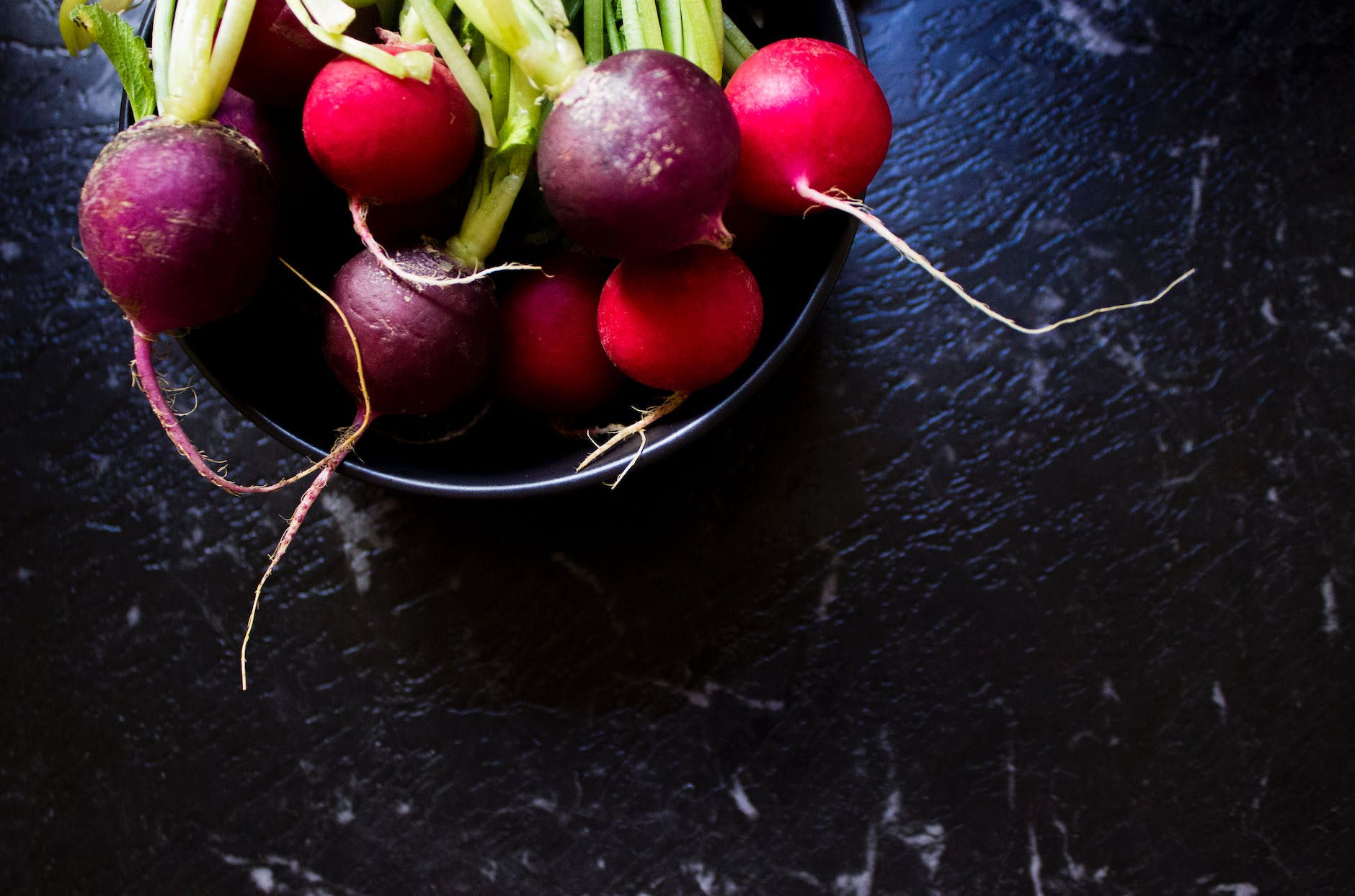
Photo by Rarnie McCudden on Pexels.com Radish
Sow outdoors 4-6 weeks before the last frost date.
Successive sowings every few weeks will keep your meals lavished with radish.
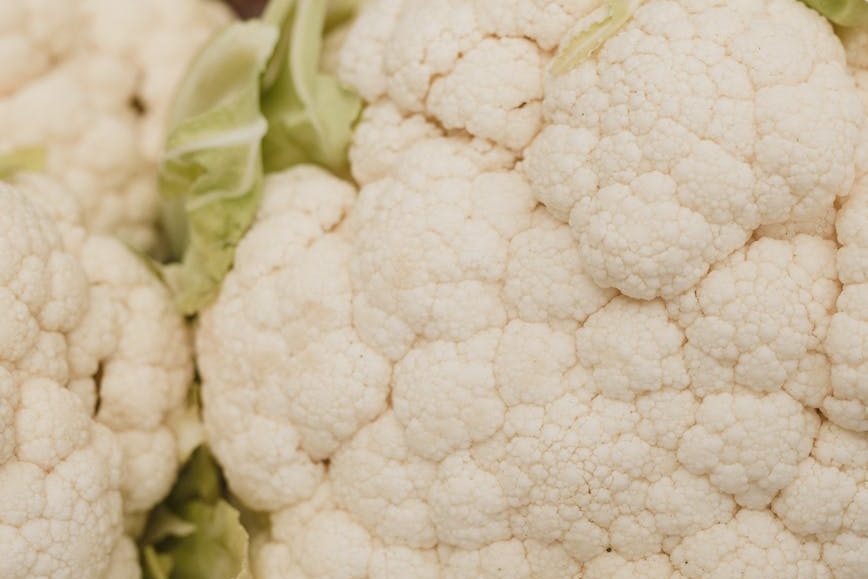
Photo by Arina Krasnikova on Pexels.com Cauliflower
Annual – Full Sun
Begin indoors 6-8 weeks before the last frost date.
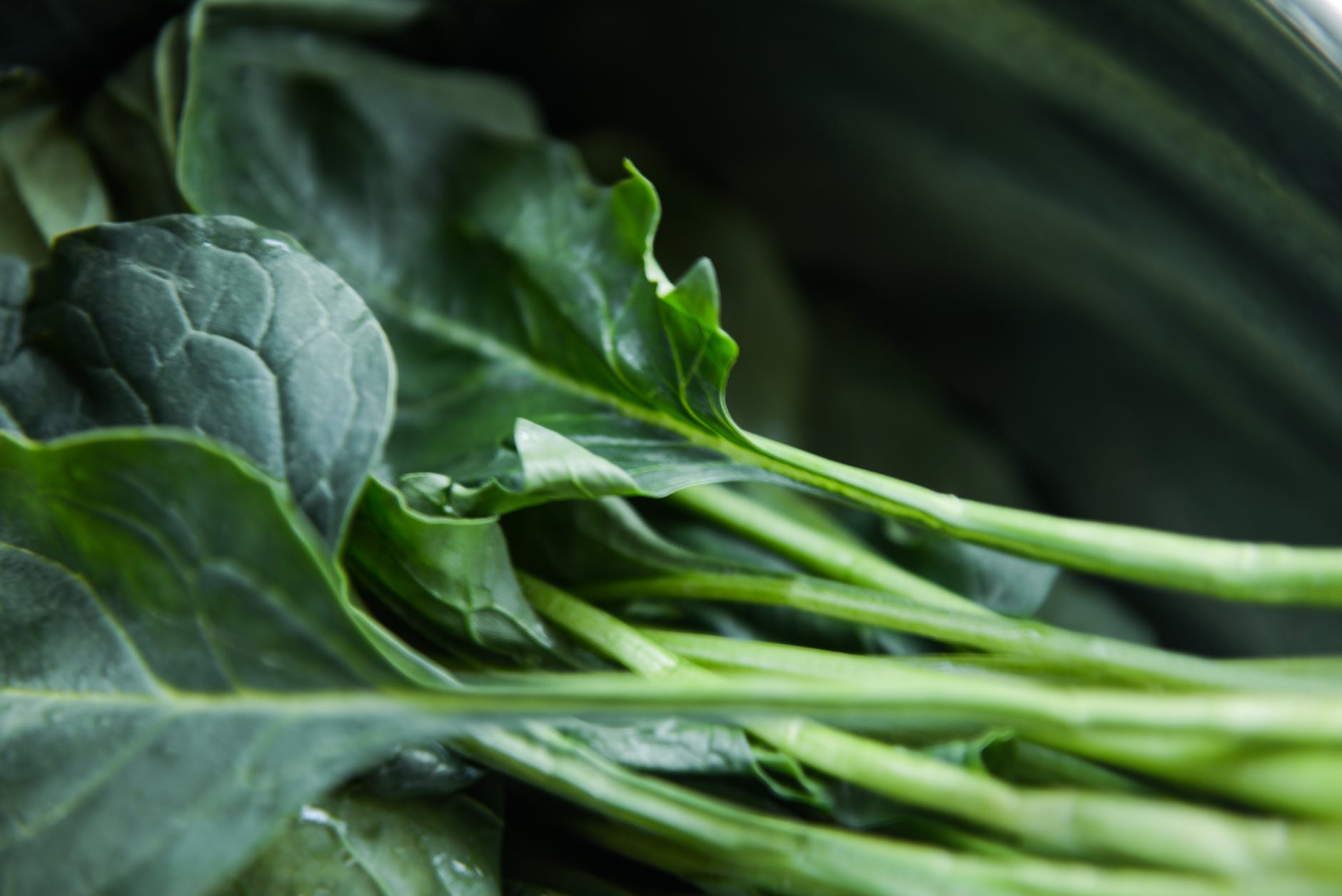
Photo by Cats Coming on Pexels.com Collard Greens
Biennial – Sun
Can be direct sown four weeks before the last frost.
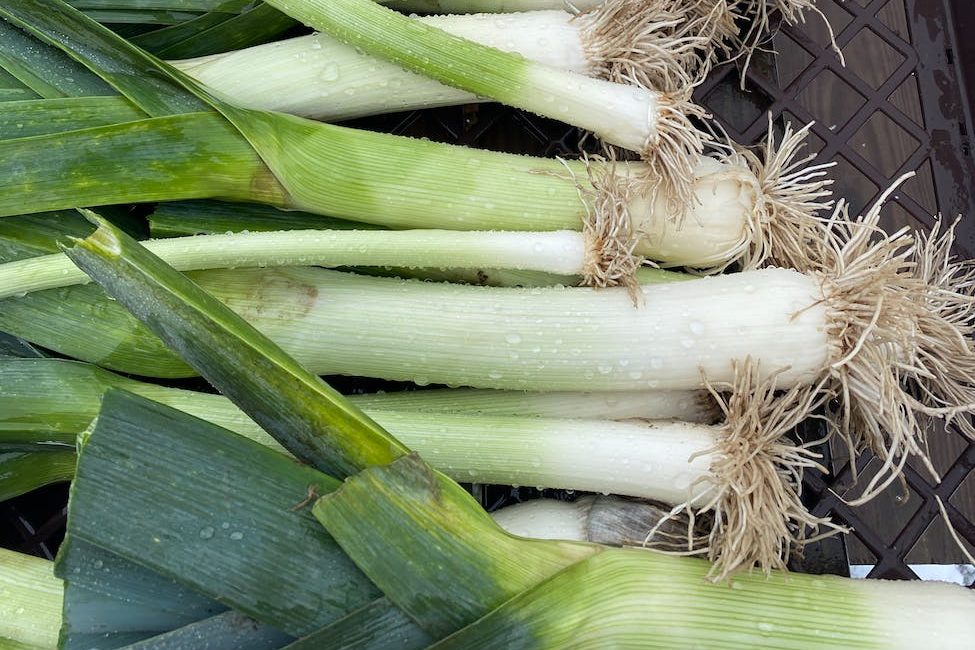
Photo by Andrew Gaertner on Pexels.com Leeks
Biennial – Sun
Begin indoors 6-8 weeks before the last frost date.
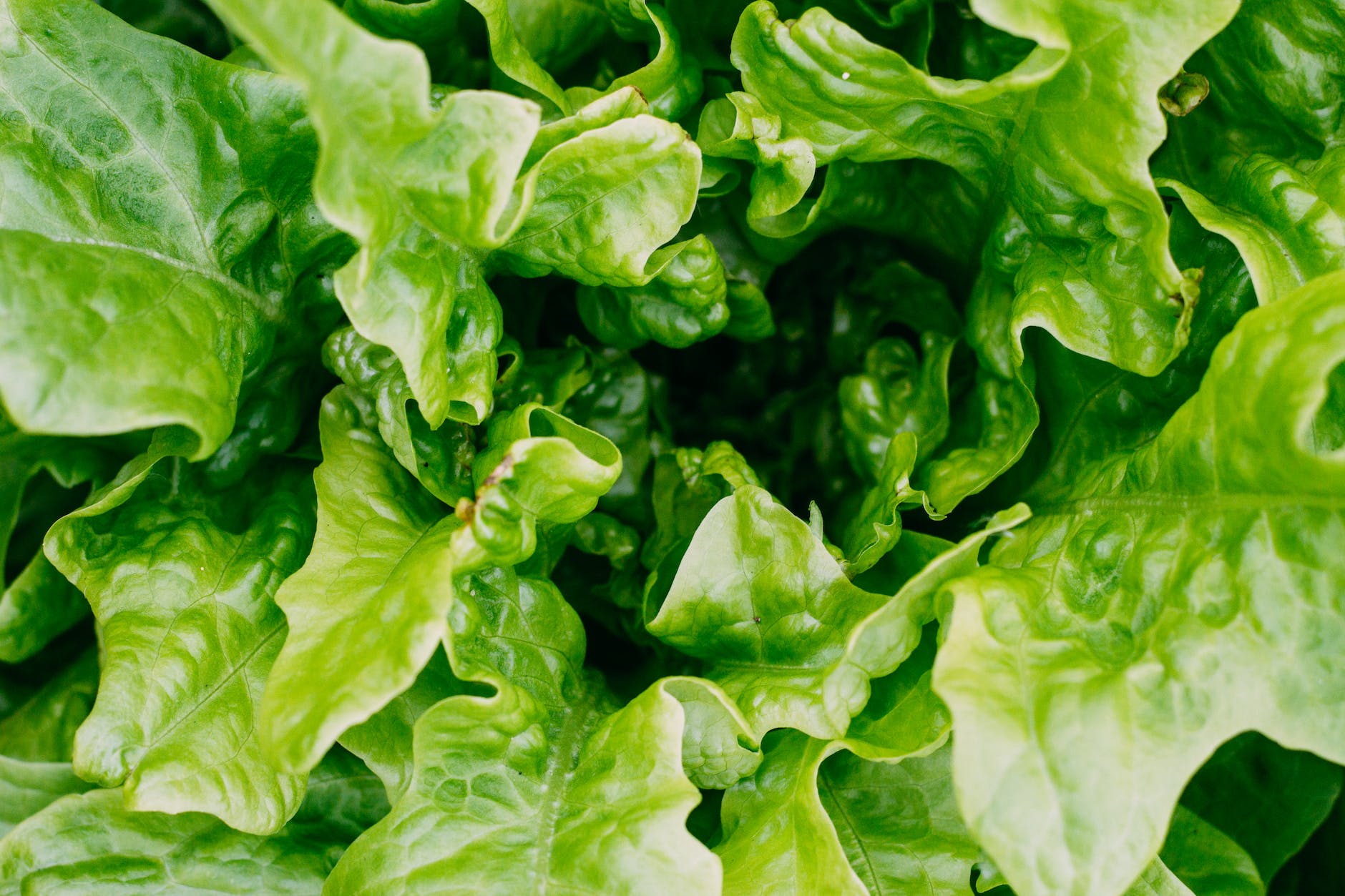
Photo by NastyaSensei on Pexels.com Lettuce
Begin your lettuce indoors 4 weeks before transplanting or sow directly once the soil temperature is above 40 degrees. A word of caution here along the coast it is hard to keep slugs away from your tender greens. I prefer to cover my beds of lettuce with netting laid over hoops to keep the slugs away.
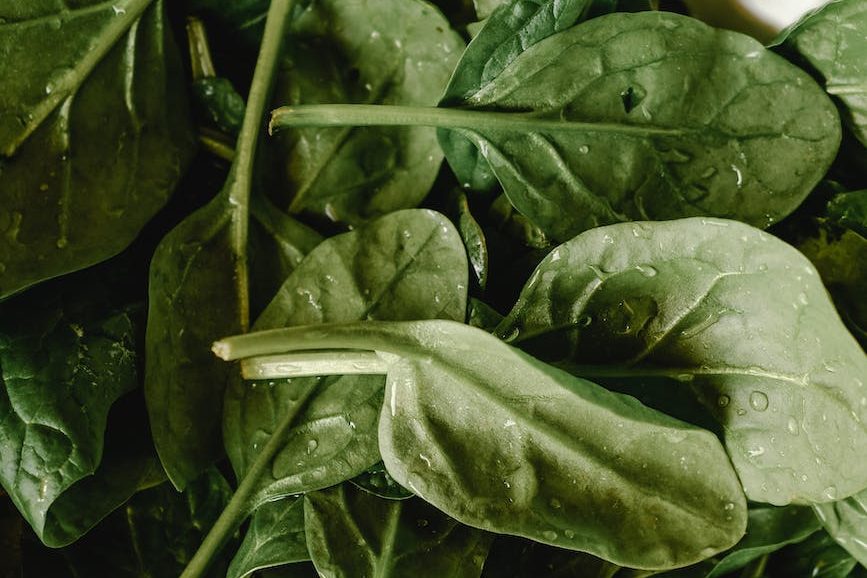
Photo by Eva Bronzini on Pexels.com Spinach
Full Sun/Partial Shade
Spinach can be planted directly once soil temperatures reach 45 degrees or started indoors 4-6 weeks before the last frost date. If planted outside protect young starts from ice and frost with cloches or plastic domes until the weather improves.
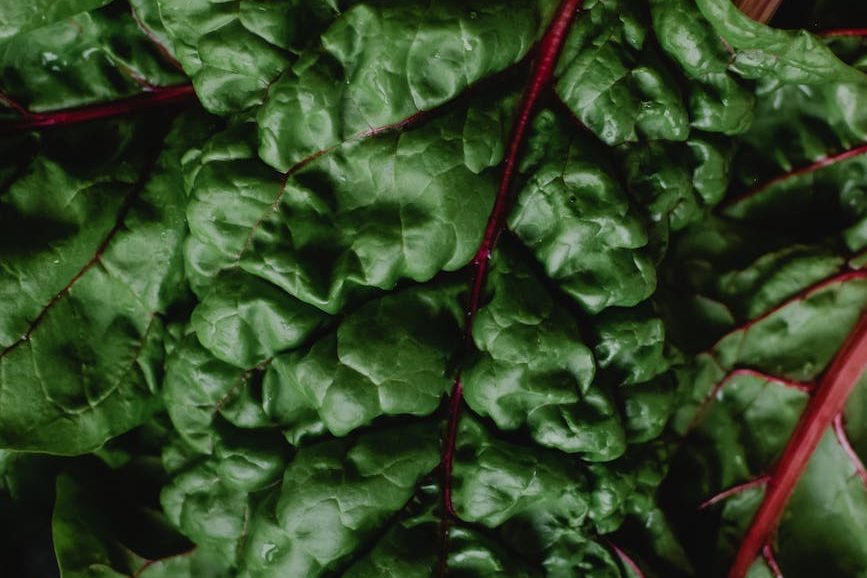
Photo by Eva Bronzini on Pexels.com Swiss Chard
Biennial – Full Sun
Start seeds indoors 1-2 weeks before the last frost and continue planting every 2 weeks for a succession harvest. Plant out after spring frost.

Photo by Maranda Vargas Tomatillos
Annual – Full Sun
Begin seeds indoors 6-8 weeks before the last frost. Harden off the plants when transplanting outdoors by placing them outdoors for a few hours to start, increasing the amount of time each day until they are accustomed to a full day of sunlight.
-
Approaching storm
The upcoming storm system is set to arrive this evening. It is a good time to go through the garden and harvest before the rains come.
The garden had plenty to offer. I harvested the last of the onions and peppers as well as ripe tomatoes. I plan on condensing the tomatoes inti a nice thick sauce. Then I will decide which dish gets the ultra special sauce. Hours of sunshine transferred into a sweet delectable sauce. Certain to elevate any dish.

A mixture of tomatoes and peppers
-
Bonsai: Making a Forest
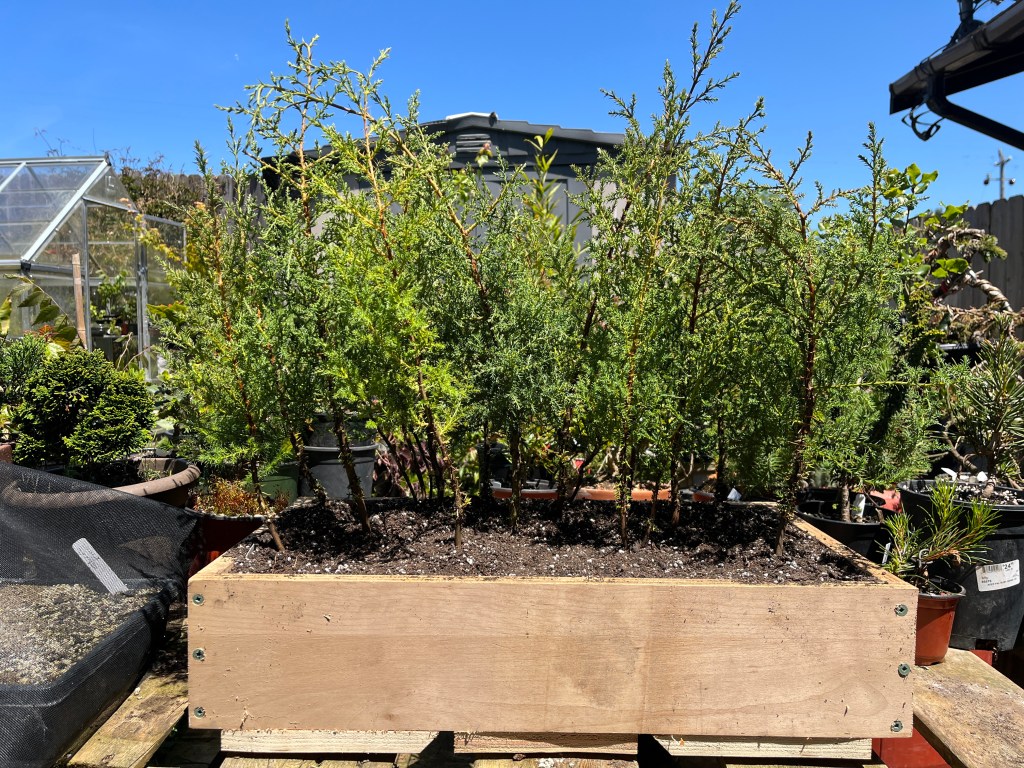
Wise Moon Gardens bonsai enthusiast Mark Vargas is creating a forest out of two year old coast redwood trees that he started from seed.
Select the container you will be transplanting into before you begin. Mark made a wood box to house the newly planted bonsai forest. Then he thoughtfully selects the trees he will be working with to create a forest composition.
The process begins by first selecting the focus or primary tree. Next, you select trees to compliment the size and shape of the primary tree, adding a perceived depth to the composition.
-
Strawberry Balsamic Salad
Fresh harvested strawberries and lettuce from the garden become a delicious salad.
Summer has arrived! The strawberries are ripe and ready for the plucking. Strawberries can be grown in ground, raised beds or containers. They only require about a square foot of quality soil for every plant to produce. Mulching the bed with straw helps conserve water and keep your berries off of the dirt. We have a constant disagreement with the local slug and snail population that believe the strawberries are planted for them. This year we have sprinkled diatomaceous earth around the strawberry bed and it is working!
Strawberries are an excellent source of vitamin C, magnesium, phosphorus and manganese. While also containing folate and potassium.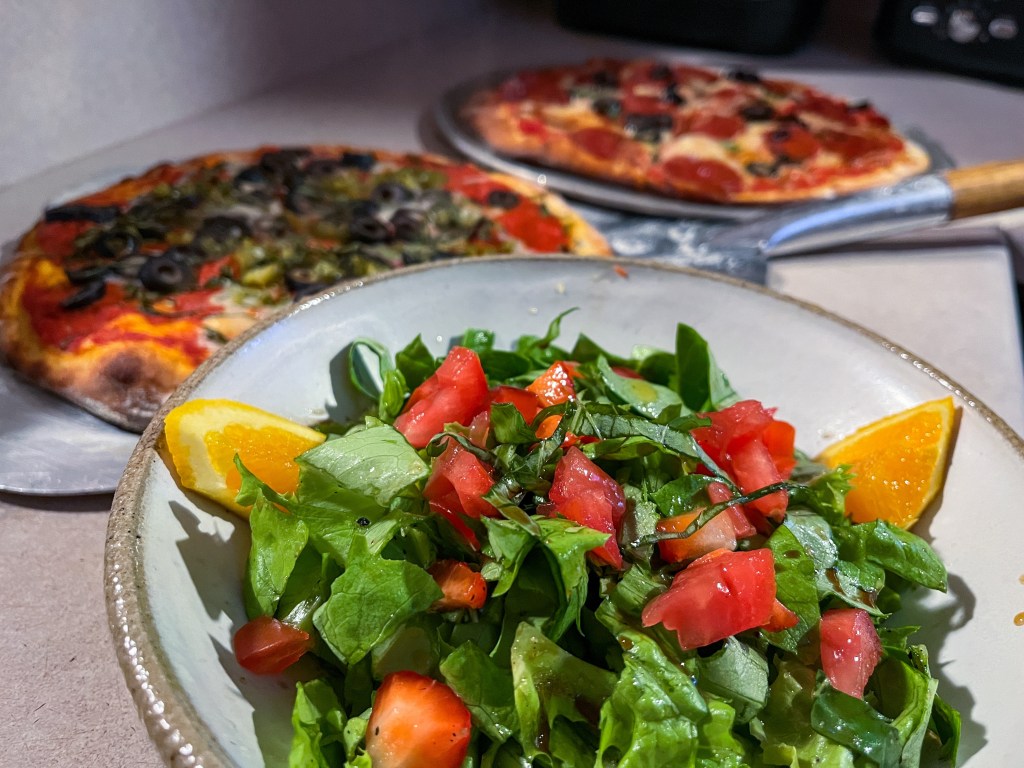
A fresh strawberry balsamic salad sits forefront of two homemade pizzas. -
Garden Plans
A glimpse into the progress of Wise Moon Garden Often I find it easier to plant trays of seeds, than finding them a suitable spot in the garden. Preparing the garden beds for planting is a little more work. What work is needed has changed on my location.
When we lived in Redding Ca where the summer time temperatures are sweltering hot the tomatoes, strawberries and peppers ripened effortlessly. The lettuce and greens rapidly bolted. I do remember thinking snails or birds could get the harvest inland however nothing prepared me for gardening here on the north coast.
Slugs and powdery mildew are constantly trying to wreck havoc in the garden. It’s not a question of if any are present. It’s a diligent game of eradication along with environmental control measures.
Currently netting is my favorite barrier to the slugs and snails. The issue is for crops like my beloved strawberries. The bustling bees love to pollinate the strawberries and a barrier does not discriminate. If I could pull the netting off every day than maybe we can get some strawberries before a slug eats halfway thru it.
How can they disseminate a plant so quickly? This morning I proudly walked around the garden viewing the transplants taking to their new homes. All extra green and perky, reaching for the sky! How I wished I took a picture of this twisting bean shoot almost touching the trellis. I had thought of moving the trellis closer to it, then I walked past to the next plant. Fast forward 3 hours later! That’s all it took, it’s gone! Just a twisty picked thru stem. Weeks of waiting, wishing and all the green leaves became a meal for a slimy culprit. I’m certain snails and slugs serve a biological process that is beneficial for decomposition, however I need them away from the garden.
-
New Soil and Garden Aspirations
A truck load of soil mix and a heapful of aspiration is what this garden needs. Here is a glimpse of the progress.
The Summer Solstice is quickly approaching! What little was growing in the green house is ready to be planted up. Two new raised beds were added with a soil mix from the local landscape yard. The slugs munched through the first batch of plantings! I have added barriers and have been actively, harvesting slugs.
Happy gardening!
-
Upcoming Plant Sale

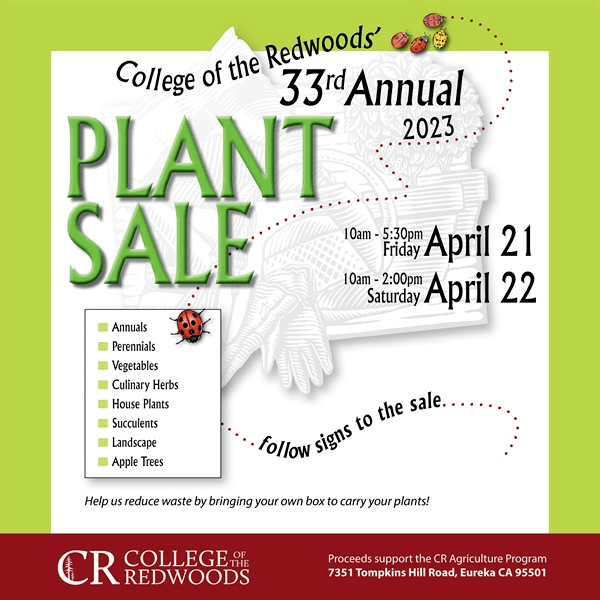
It’s that time of year! College of the Redwoods agricultural program is hosting a Spring Plant Sale on April 21 and April 22 at the College of the Redwoods campus.
-
April Planting List
Spring fever has arrived! It feels as if there is so much to do in the garden. It is an exciting time of year for the home gardener.
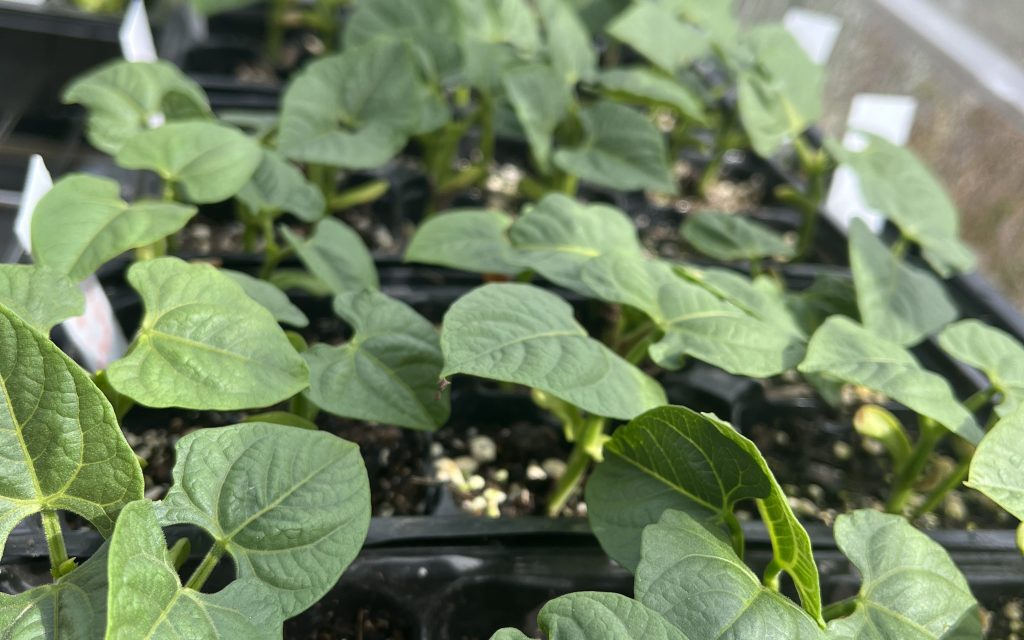
By planting these plants in April, you’ll have a thriving garden by the time summer rolls around. Remember to read the instructions on the seed packets and keep up with proper soil and watering techniques to ensure maximum growth. Happy planting!
- Artichokes
- Arugula
- Asparagus
- Beans
- Beets & Turnips
- Berries
- Brassicas
- Broad Beans & Runner Beans
- Brussel Sprouts & Kohlrabi
- Carrots
- Cabbage
- Cauliflower
- Celery
- Chard
- Chili Peppers (Indoors)
- Cucumbers
- Eggplant
- Herbs
- Lettuce
- Microgreens (Indoors)
- Melons (small)
- Mushrooms
- Onions, Leeks & Shallots
- Peas
- Peppers
- Potatoes
- Radishes
- Strawberries
- Spinach
- Sprouts (Indoors)
- Squash
- Tomatoes (Indoors)
- Trees
- Zucchini

-
Establishing a Slug Free Zone
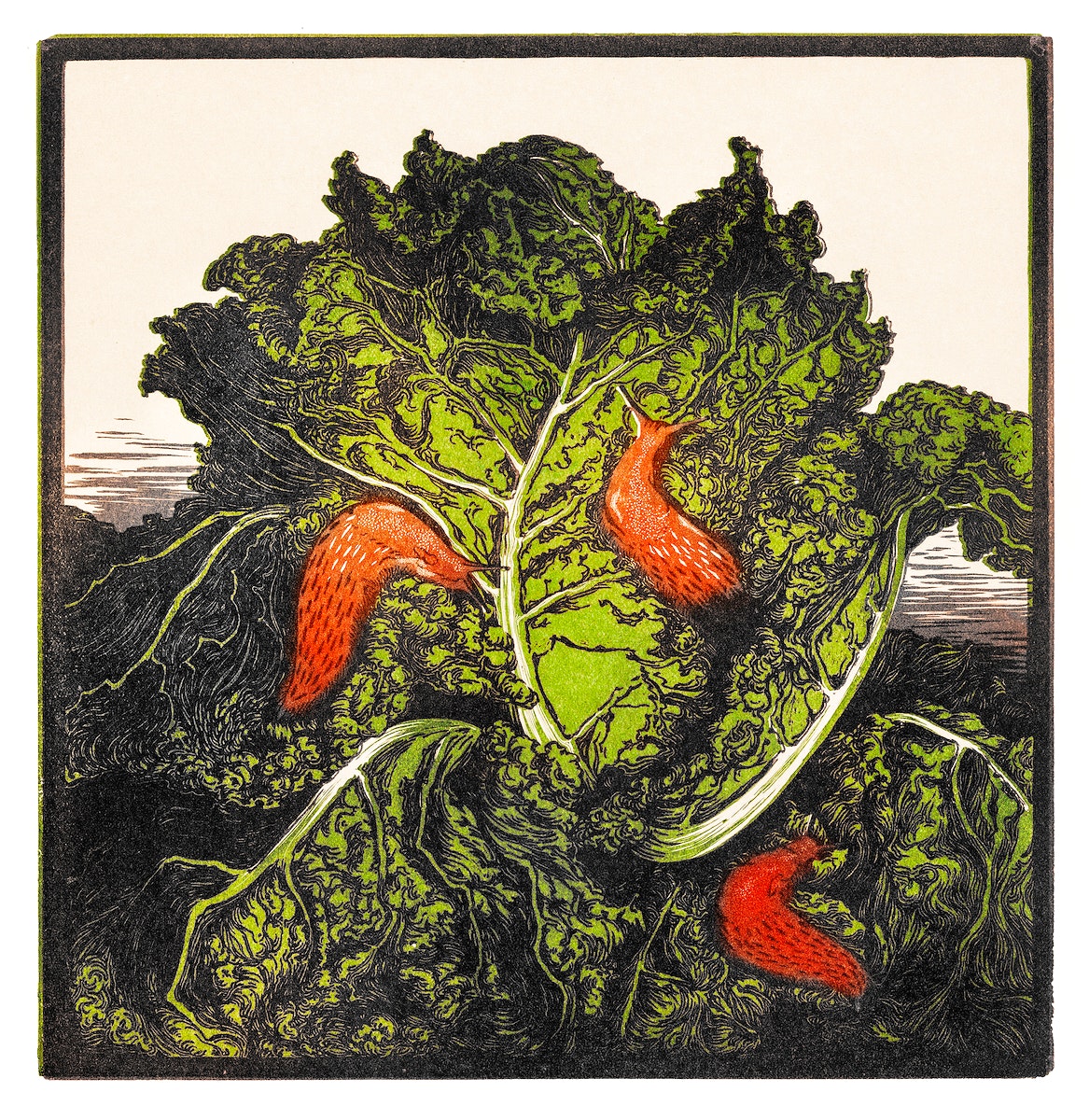
Slugs and snails can be a problem for many gardeners. I have never seen a slug problem like the one here on the coast. Below is a article about natural ways to keep slugs off your plants. We utilize a myriad of the methods mentioned in the article.
I can not say there is any just one method that is a stand alone. Hand picking them off and traps are necessary along with barriers. Keeping debris clean around the garden gives them less spots to lay hidden. I’m hoping this year the slugs get the message that this is a slug free zone.

 Wise Moon Garden